
How to Use a Honing Rod
Mar 24th 2026
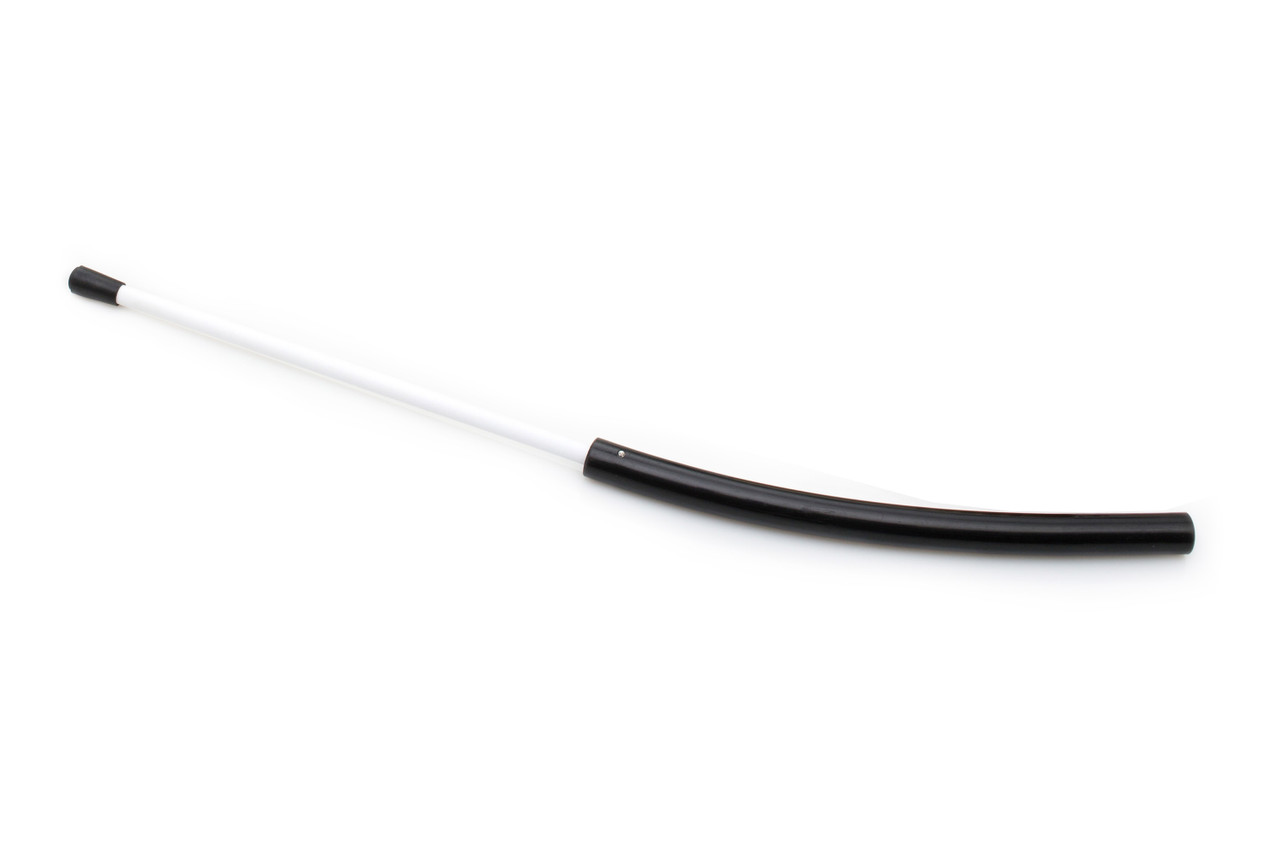
A sharp knife makes cooking smoother. It also makes it safer. When your blade starts to feel dull, you don’t always need full knife sharpening right away. Most of the time, you need a quick tune-up with a honing rod.
This guide shows how to use a honing rod the right way, with simple steps you can repeat in a few seconds. You’ll also learn when honing stops helping, and when it’s time to sharpen.
What Is a Honing Rod?
A honing rod is an effective tool for maintaining a knife that already has an existing edge. It does not “rebuild” a worn bevel like sharpening does. Instead, it helps realign the knife’s edge that bends microscopically during cutting.
Victorinox explains it plainly: honing “doesn’t remove metal (or only a little) but realigns the blade’s edge,” which can bend and make the knife feel dull.
You’ll see a few rod types:
- steel rod: common, durable, good for many Western kitchen knives
- ceramic honing rods: finer feel, can lightly refine the edge and work well for harder steels
- diamond rods (or diamond steel): more aggressive, removes more material than traditional honing, closer to a light sharpening
The right pick depends on blade material and how you use your knives.
How to Use a Honing Rod the Right Way
Step 1: Choose the Right Honing Rod
Match the rod to your knife.
- If you use standard stainless knives, a steel rod works well for daily maintenance.
- If you use japanese knives or harder steels, ceramic honing often feels smoother and more controlled than a grooved steel.
- If your knives get very dull between tune-ups, diamond rods can bring bite back faster, but you must use a lighter touch.
If you want a clean “middle ground,” a ceramic sharpening rod can be a solid option because it offers control while still being effective.
Step 2: Position the Honing Rod Correctly
Start on a stable surface.
- Place the rod tip down on a firm cutting board or a folded towel on the counter.
- Hold the rod handle in your non dominant hand.
- Angle the rod slightly away from you so the handle end stays stable.
This setup reduces slips. It also helps you keep your strokes consistent.
Step 3: Find the Correct Angle
Angle matters more than speed.
Most kitchen knives respond well in the 15–20 degree range. The goal is a consistent angle that matches the knife’s bevel.
A quick way to estimate:
- 90 degrees is straight out.
- Half of that is 45.
- Half again is about 22.
Just a little lower gets you close to 15–20.
You don’t need perfection. You need repeatability.
Step 4: Use the Proper Motion
Now you use a honing rod with a controlled, repeatable stroke.
- Start with the knife heel near the top of the rod.
- Keep the edge facing the rod.
- Move the blade down and across in a sweeping motion, from heel to tip.
- Keep the stroke smooth. Don’t jab. Don’t saw.
Think “slide,” not “chop.” Each pass should feel like it follows the rod’s length.
If the rod is short and your knife is long, slow down. It’s better to make fewer clean strokes than many sloppy ones.
Step 5: Apply Light Pressure
Use light pressure.
You are not grinding. You are nudging the edge back into line. Too much force can roll the edge further, especially on thin blades, and it can chew up softer steel.
A good cue: if your wrist feels tense, you’re pressing too hard.
Step 6: Repeat on Both Sides Evenly
A balanced edge cuts straighter.
- Do 3–6 strokes on one side.
- Switch to the other side for 3–6 strokes.
- Keep the count even.
If you notice the blade pulling to one side when cutting, you may be honing unevenly.
Step 7: Test the Sharpness
Don’t guess. Test in a safe way.
Try one of these:
- Slice a tomato. A tuned edge should bite the skin instead of sliding.
- Slice paper carefully, away from your body.
- Do a gentle “onion skin” slice. It should start cleanly.
If the knife still feels dull after honing, the issue is not alignment anymore. The edge likely needs sharpening.
At that point, use a professional sharpening system or a stone. A professional knife sharpener can also reset the edge quickly if you don’t want to DIY.
Common Honing Mistakes to Avoid
These are the mistakes that make people think honing “doesn’t work.”
- Using a honing rod on a truly dull knife
Honing won’t fix a worn bevel. It helps a knife that already has an edge. - Using too much force
More pressure doesn’t mean more sharp. It usually means more damage. - Changing the angle mid-stroke
A shifting angle makes the rod hit random parts of the bevel. - Going too fast
Speed looks cool and performs badly. Slow is sharp. - Using the wrong rod for the knife
A very hard blade may not respond well to a basic grooved steel. A fine ceramic rod often feels better there. - Honing a dirty blade
Wipe the knife first. Food residue can scratch the rod and the blade.
How Often Should You Hone Your Knife?
You can hone often. You just need to do it correctly.
A simple rhythm:
- Hone before each cooking session if you cook daily.
- Hone every few uses if you cook occasionally.
- Hone when the knife loses bite but still cuts.
Victorinox suggests honing every few uses for best results.
If you hone constantly and the knife still feels dull, stop honing and sharpen instead. Too much honing with the wrong pressure can wear the edge faster than you think.
Caring for Your Honing Rod
A rod needs care too, especially ceramic honing rods.
- Wipe it after use.
- Wash with mild soap and warm water when it loads up with metal residue.
- Dry it fully before storing.
- Store it where it won’t bang around in a drawer.
If you use ceramic, expect grey streaks. That’s normal metal transfer. Clean it with a mild abrasive cleaner or a soft scrub pad if needed.
Also check the rod surface. If it chips, retire it. A chipped rod can damage a knife edge.
Quick Methodology: How We Recommend You Decide “Hone vs Sharpen”
Use this decision check:
|
What you feel |
What it usually means |
What to do |
|
Knife still cuts, but feels draggy |
Edge rolled slightly |
Hone 6–10 light strokes |
|
Knife slides on tomato skin |
Edge too worn |
Sharpen (stone or system) |
|
Knife cuts crooked |
Uneven edge alignment |
Hone evenly, then re-test |
If you sharpen often and want repeatable angles, consider tools like an edge pro apex knife sharpener kit and related knife sharpening accessories. They help you control the bevel without guessing.
For small blades and tight profiles, a knife sharpener for small knives can make life easier than trying to freehand a tiny edge.
Final Thoughts: Keep Your Knife Ready for Action
A honing rod is not a magic wand. It’s a maintenance tool. Use it with a steady angle, light pressure, and consistent strokes.
Do that, and your knives stay sharp longer. Your prep feels faster. Your cuts feel safer. And you sharpen less often, because you stop letting the edge drift out of line.
Frequently Asked Questions
What Is the Purpose of a Honing Rod?
A honing rod realigns a slightly rolled edge so a knife cuts cleaner again. It maintains sharpness between sharpening sessions.
Should You Hone a Knife Before or After Sharpening?
Hone before cooking sessions to keep the edge aligned. After sharpening, you can do a few very light hone strokes to clean up the edge, but the main edge work comes from sharpening.
Can a Honing Rod Be Used to Sharpen a Knife?
A traditional steel rod mainly aligns the edge. Some rods (like diamond-coated rods) remove more material and act closer to sharpening. If you want true sharpening results, use stones, a guided system, or a professional service.
What Is the Proper Way for Beginners to Hone a Knife?
Start with the rod tip planted on a cutting board, hold it in your non-dominant hand, set a 15–20° angle, and use slow, light, even strokes from heel to tip on both sides.