
Best Way to Sharpen Knives
Posted by Cody Kendall on Jun 5th 2026
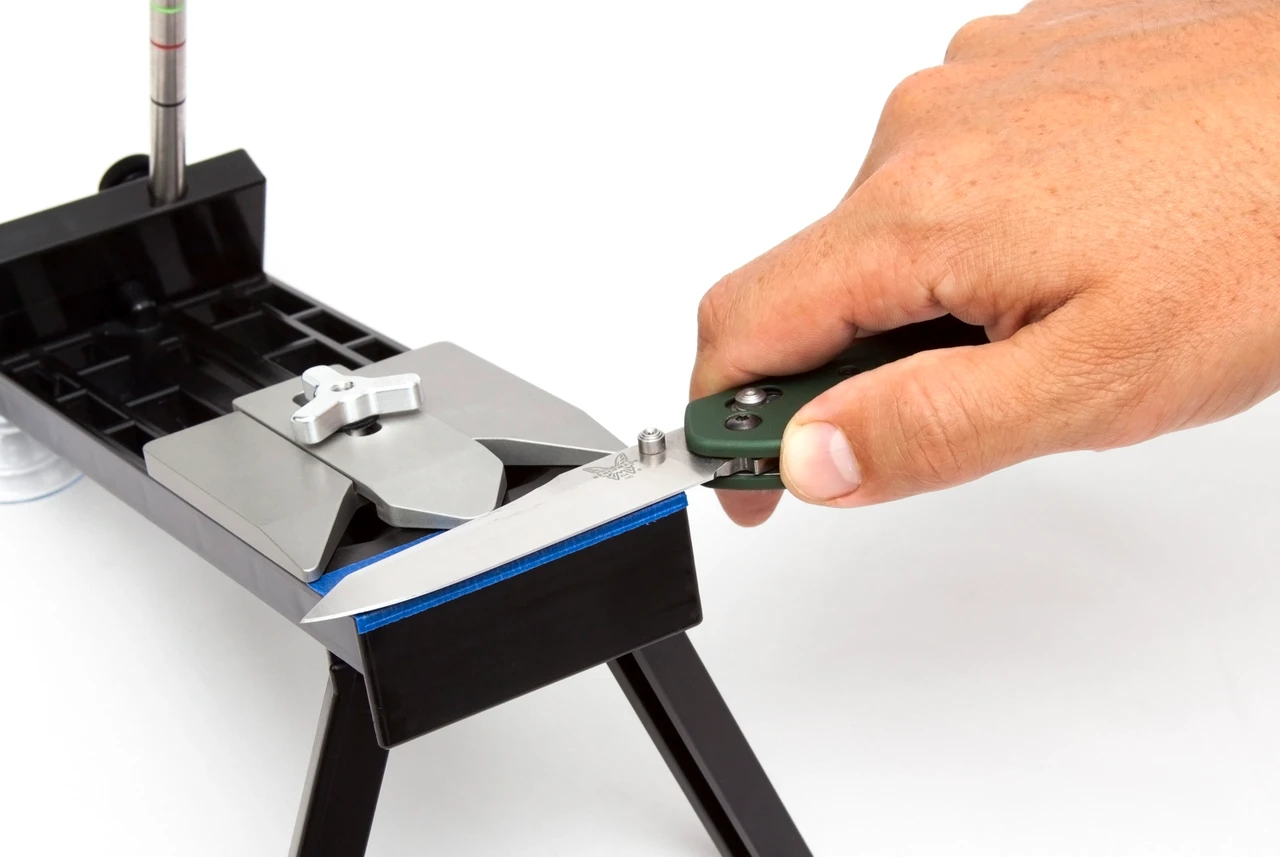
Every clean cut starts the same way with a knife blade that has been sharpened correctly, with a method you trust, and with the right tool in your hand.
Introduction
A dull knife slips. It crushes garlic instead of cutting it, tears the tomato skin, and requires more force each time you press down. More force means more risk. The fix is not a new knife from the store. The fix is a real sharpening process you can learn once and repeat for the rest of your life on every kitchen knife you own.
This guide walks through the methods that hold up, the tools worth owning, and the small signals your blade gives off when it is time to re-sharpen. Whether you sharpen kitchen knives every weekend or once a year, the goal is the same. A clean, repeatable edge that performs the way it did the day you brought it home.
As Master Bladesmith Bob Kramer teaches in his official sharpening guide, the key to a razor edge comes down to two things: a consistent angle against the stone and even pressure across the blade.
Why Knife Sharpening Is Important
A blade that no longer cuts cleanly does more than slow dinner down. It changes how, and how safely, you work. According to the U.S. Consumer Product Safety Commission's National Electronic Injury Surveillance System (NEISS), close to 350,000 knife-related injuries are treated in U.S. emergency rooms each year, and many involve the blade slipping during a cut.
A sharp knife rewards the user. It cuts where you point it, holds the knife's edge through the stroke, and leaves food intact. Regular sharpening also extends the life of stainless steel blades and carbon steel alike, since a single clean session removes a fraction of the metal that years of muscle through cuts will take off.
Signs Your Knife Needs Sharpening
The blade tells you when it is ready. You just have to read what your hand is feeling.
- Tomato skin is crushed instead of sliced
- The knife slides off the onion or pepper skin
- You catch yourself pressing harder than you used to
- The blade catches and skips on paper
- A fingernail test shows the cutting-edge skating, not biting
Two or more of these in one session, and the blade is not sharp anymore. It is a dull blade pretending to work. Time on a stone, not more pressure, is the answer.
Different Methods to Sharpen Knives
There is no single answer to how to sharpen knives. The right method depends on the blade in your hand and the result you want. Most sharpening methods follow two stages: grinding, which removes material from the blade to form a new edge, and honing, which realigns the small imperfections of the existing edge.
| Method | Skill Level | Speed | Edge Quality |
| Whetstone | Intermediate to advanced | Slow | Depends on skill |
| Honing rod | Beginner | Very fast | Maintenance only |
| Manual Guided Sharpener | Beginner to intermediate | Fast | Fantastic |
| Electric sharpener | Beginner | Very fast | Poor |
| Pull Through Sharpener | Beginner | Fast | Poor |
Using a Whetstone (Sharpening Stone)
Whetstones are blocks of artificial or natural stone with abrasive particles of a consistent size, used with water or oil to work the blade's edge. Start with a coarse grit between 220 and 400 to redefine the edge, then move to a fine grit (1000 +) for finishing.
Many water stones require you to soak for around 20 minutes before use. Keep the stone wet through the work, since water acts as a lubricant and builds a slurry that helps remove metal cleanly. An oil stone uses oil for the same job. A clean burr will form on the opposite side of the blade as proof of contact. No burr, no contact. No contact, no edge. Results from freehand sharpening on a whetstone vary greatly depending on your skill level.
Using a Honing Rod
A honing rod does not sharpen. It realigns. The microscopic teeth on a sharp edge bend with use, and a few light passes on a steel or ceramic sharpening rod bring the knife's edge back into line.
A ceramic honing rod, or any of the slimmer ceramic rods on the market, runs gentler than honing steel and pairs well with already refined edges. Use the rod weekly for proper edge maintenance, and a sharp knife will stay sharp for months between full sharpening sessions. Honing rods cannot rescue a dull knife, but they keep a fine edge from going soft.
Using a Manual Guided Knife Sharpener
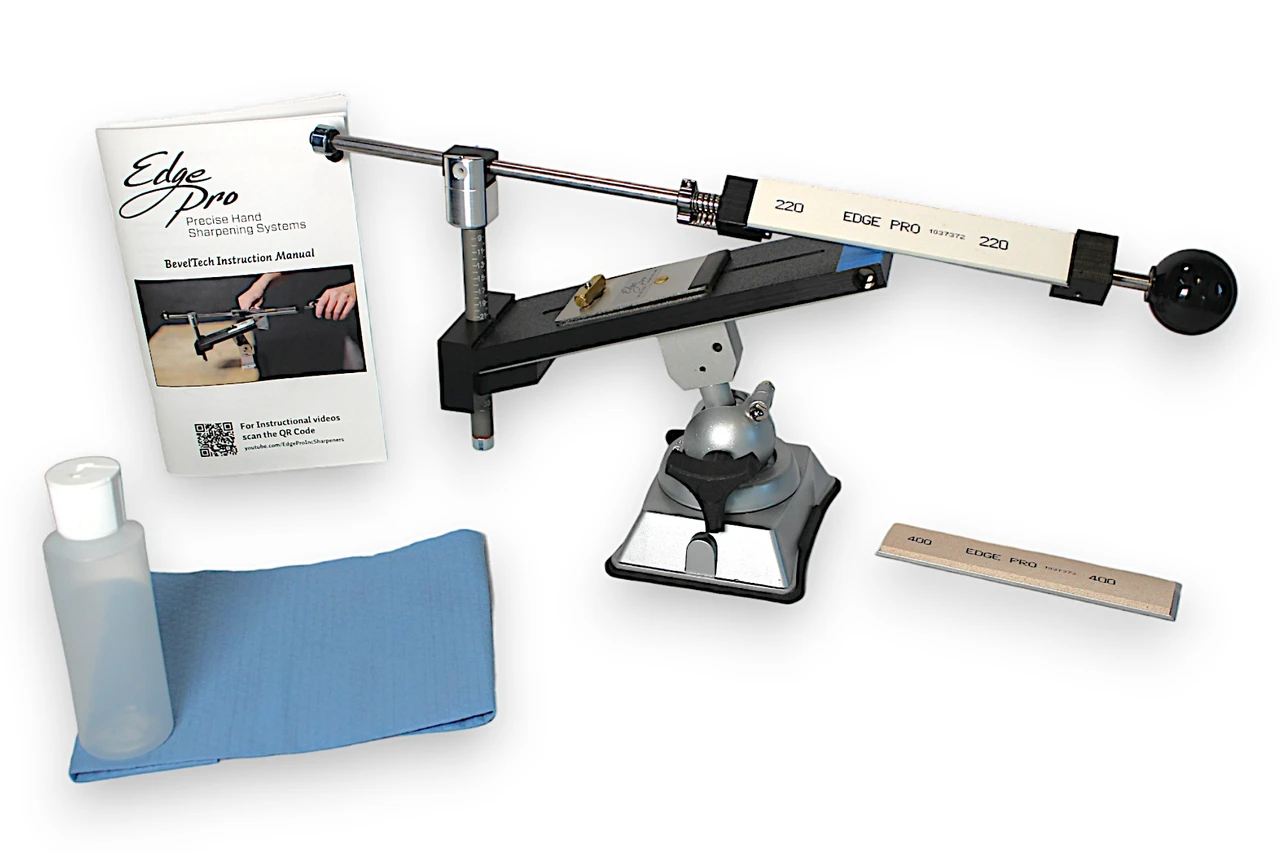
Guided sharpeners like the Edge Pro are what happens when someone gets tired of guessing and decides to actually control the process. If pull-through knife sharpeners are “hope and pray,” guided systems are “measure twice, grind once.” They take the chaos out of hand sharpening and replace it with repeatable angles, consistent bevels, and edges that don’t look like they were shaped during an earthquake. Sure, it requires a little setup and a few brain cells working at the same time, but the payoff is a knife that actually performs like it was meant to — not just “less dull,” but truly sharp, controlled, and repeatable every time.
Using an Electric Knife Sharpener
An electric knife sharpener removes metal quickly and requires little to no skill, which is why home cooks reach for one when they want speed. Electric knife sharpeners with guide slots deliver fast, repeatable results that suit busy kitchens.
The trade-off is real. These machines remove metal faster than any other method, can shrink the knife over years of use, and produce enough heat to affect the blade's strength.
Pull Through Sharpener
Pull-through sharpeners are basically the fast food of knife sharpening — quick, convenient, and destructive if you look too closely. They rip steel off your edge with all the finesse of a raccoon opening a trash can lid. Sure, they can make a dull knife feel less dull for about fifteen minutes, but they also leave behind uneven bevels, fatigued edges, and enough metal shavings to make your knife quietly file for workers comp. They’re perfect if your long-term knife care strategy is “I’ll just buy another one eventually.”
Choosing the Right Sharpening Tool
The right sharpening tool depends on what you cut, how often you cut, and how much you care about edge geometry. A casual home cook with stainless steel blades from a starter set is fine with one knife sharpener and a simple hone for one knife at a time.
A serious cook running chef's knives, a hunter with different knives in the field, or anyone working with high-carbon steel needs more control. That means knife-sharpening stones, a guided sharpening system, or a set of diamond matrix stones built to handle harder steels.
A belt grinder is another option for high-volume work, but it removes metal aggressively and is best left to experienced hands. Across every method, the goal is the same: a safe knife with a fine edge that holds up to daily use.
Common Knife Sharpening Mistakes to Avoid
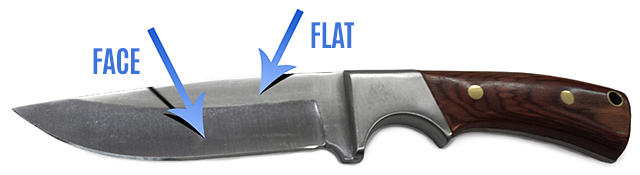
Most poor results come from a small set of repeated errors. Fix these, and the rest takes care of itself.
- Switching the angle mid-stroke instead of holding the same angle through every pass
- Skipping grits and jumping straight from coarse to fine
- Pressing too hard and rolling the blade's edge instead of forming a clean burr
- Forgetting to remove the burr after the final pass
An incorrect angle removes metal in the wrong place, leaving you with a duller knife than you started with. A consistent angle, held through every stroke, is the single biggest factor in an edge that lasts.
How Often Should You Sharpen Your Knives?
Frequency follows use, not the calendar.
| Use Pattern | Honing | Sharpening |
| Daily home cook | Weekly | Every 2 to 4 months |
| Occasional home use | Monthly | Once or twice a year |
| Professional kitchen | Daily | Every 2 to 4 weeks |
| Hunter or outdoor | Before each use | After each season |
If the blade still bites paper and glides through a tomato without pressure, leave it alone. If it skips, it is asking.
Knife Maintenance Tips to Keep Blades Sharp
A sharpened edge is only as durable as the care that follows it. A few quiet habits do most of the work to keep knives sharp.
- Handwash and dry the knife blade right after use
- Store knives in a block, on a magnetic strip, or in edge guards. Never lose in a drawer.
- Cut on wood or soft plastic. Never glass, ceramic, or stone counters.
- Hone weekly with a ceramic rod to keep the edge aligned
A good knife with a good edge will remain sharp for months of daily cooking when treated this way. Less time at the stone, more time using the professional knife-sharpening tools the way they were built to be used. That is what keeps knives razor sharp.
Conclusion
The best way to sharpen knives is the method you will actually use, with the right tool for the blade in your hand. A guided system gives the cleanest razor edge. A honing rod keeps that edge alive between sessions.
Pick the system that matches your skill, your knives, and your patience, then commit to it. A razor-sharp blade is a learnable skill, not a lucky outcome, and it pays you back every time you reach for the handle.
FAQs
What is the best angle for sharpening a knife?
Japanese knives generally use a shallower 15 to 18 degree angle, while Western or German blades hold up better at 18 to 21 degrees per side. Matching the original edge angle of the blade gives the cleanest, most predictable result.
Can I easily sharpen knives at home?
Yes. With a quality guided system which provides a consistent angle, and a few practice sessions on an inexpensive blade first, most home cooks can sharpen a knife to a near-razor-sharp level that rivals what a professional service will deliver.
What's the difference between sharpening and honing?
Sharpening removes metal and creates a brand new edge. Honing simply realigns the edge that is already there without removing steel. Both belong in your routine, but only sharpening fixes a truly dull knife.
How long does it take to sharpen a knife?
A full sharpening session runs 10 to 20 minutes per blade for most users on a dull knife. Re-sharpening that same knife down the road only takes a matter of minutes once the bevel is in harmony with your sharpening system.
Which sharpening method is best for beginners?
A guided system with fixed angles is the easiest entry point. It removes guesswork, holds a consistent angle, and builds the feel of correct contact with the stone. Learning how to use a knife sharpener with a guide builds real skill faster than starting freehand.