
What Is a Serrated Knife Used For?
Posted by Cody Kendall on Jul 27th 2026
Slice a ripe tomato with a dull, straight blade. Watch it collapse rather than part cleanly. That's the whole reason serrated knives exist. Tough skin, soft center, that's their territory. Bread falls in there, too. So does citrus, layer cake, and a sandwich piled too high. Straight blades handle the rest of the kitchen just fine. This one lane, though? Teeth win.
What a Serrated Knife Is
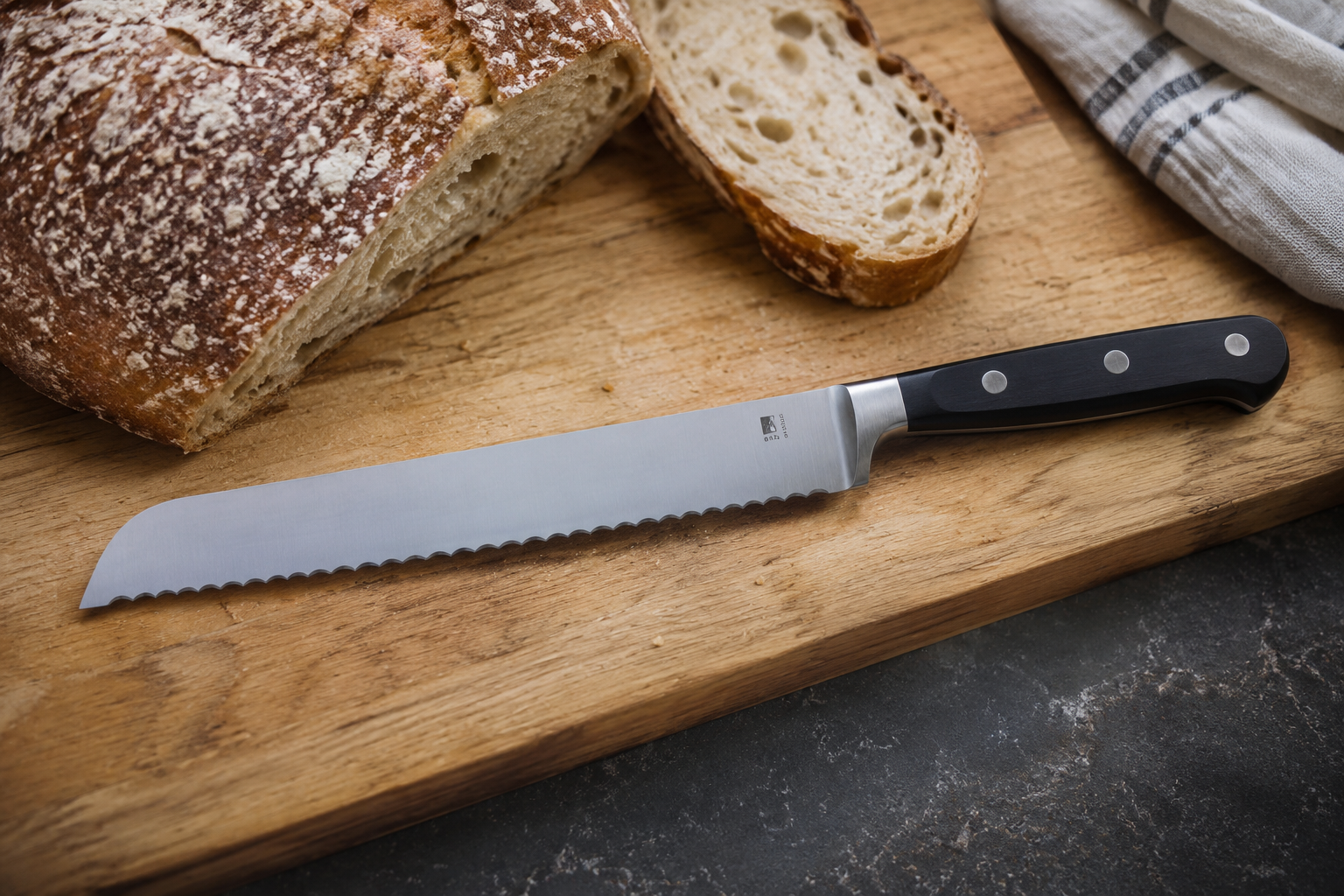
A serrated knife has teeth along its edge rather than a continuous line. Pointed or scalloped, it doesn't matter which; they grab first and bite through. Nothing gets forced downward. Two things make that happen.
Serrations and Gullets
Every raised tooth is a serration. The little valley between two teeth is called a gullet. Some blades have tall points wide apart. Others crowd in smaller, rounder ones. Notice the trade-off. Fewer teeth, more force landing on each tip. That's the entire reason one bread knife bites faster than another of the same length.
Blade Shape
A flat edge lands on food all at once. Crushes a tomato. Skids off a crusty loaf. Serrations skip that problem entirely by first touching down at a few sharp points. Contact happens immediately – no sliding around waiting for the cut to start.
How Serrated Knives Cut
None of this is mysterious once you slow down and actually look. It also explains why a serrated blade keeps working after a straight one has quit.
Sawing Motion
The motion is back-and-forth, not straight down. The teeth walk across the surface. Your job is to stay light-handed and let gravity finish it.
Edge Contact
The points touch first, and that's it. That's the mechanism behind cutting through crust or skin that would shrug off a plain edge without breaking a sweat.
"Serrated knives have a very distinct edge profile when compared to knives with a straight edge. The ridges at the edge, along with the recessed hollows, require special attention when being sharpened," says Michael Handal, culinary arts chef-instructor at the Institute of Culinary Education. The same geometry produces a different outcome: serrations continue to cut long after a straight blade would have returned to the stone.
Best Uses for a Serrated Knife
Once the mechanics land, the applications aren't much of a mystery. Tough shell, soft center. Green light.
Bread and Baked Goods
The obvious one. A serrated edge cuts the crust without flattening inside. Most bread knives run 8 to 10 inches for that exact reason: enough length to clear a whole loaf in one motion instead of sawing it apart in pieces. Try the same job with a short, straight blade, and you'll end up rocking the knife back and forth anyway, just less efficiently.
Tomatoes and Soft Produce
Thin skin and soft flesh underneath are an unfair matchup for a dull, straight blade. Push down wrong, and the tomato's crushed before the skin even opens. Serrations bite that skin on contact. No mess, no lost juice.
Citrus and Tough Skins
Oranges, grapefruit, and lemons. Same setup: tough rind guarding something juicy. Teeth grab the peel right away rather than gliding across it, and your knuckles stay a little farther from trouble in the process.
Cakes and Pastries
Fondant, meringue, and flaky pastry shells. Basically, tiny crusty loaves in disguise. A serrated edge slices through the layers cleanly, without dragging the soft filling along.
Sandwiches and Cooked Meats
Stack a sandwich too tall and a straight blade will squash it, fillings escaping out both sides. Serrations saw through bread, cheese, and everything stacked between without flattening a single layer. Crusty roasts with a seared shell work here, too, though tender boneless cuts still slice cleaner with a straight edge doing the honours. The crust matters more than the meat itself.
Serrated Knife vs. Straight-Edge Knife
One doesn't replace the other, and it never will. Different textures, different jobs. Grab the wrong one, and you're fighting your own tool for no reason.
When Serrations Work
Slippery, crusty, or fragile enough to crush under weight, that's serrated territory. Bread, tomatoes, citrus, and most baked goods wear a firm shell.
When Straight Edges Work
Chopping, mincing, peeling—anything that demands a precise line. That covers most of what actually happens on a cutting board day to day, if we're being honest.
Types of Serrated Knives
Not every serrated blade gets built the same way. Picking the right type matters nearly as much as picking serrated in the first place.
Bread Knives
Long, straight-backed, typically 8 to 10 inches. Length pulls more weight here than on almost anything else sitting in your knife block, since a short blade simply can't reach across a full loaf.
Serrated Utility Knives
Shorter, usually 4 to 6 inches. Built for a bagel or a single tomato, dragging out the full bread knife feels absurd for such a small job.
Steak Knives
Small, fixed-angle teeth designed to cut a seared crust without gouging into the plate below it. Reach matters less than control on something this size, and nobody wants a full-length bread knife at the dinner table anyway.
How to Use a Serrated Knife Safely
Light hand, steady stroke. That's genuinely the whole system. Here are a few things to remember:
- Let the teeth handle the cutting; don't lean your body weight into it.
- Keep the board planted so it can't shift mid-stroke.
- Saw evenly. Skip the short, jerky stabs.
- Curl the guiding hand back every single time, no exceptions.
Light Pressure
Push down hard on a serrated blade, and you're just inviting a slip. Slips are how most kitchen injuries actually start. According to the Consumer Product Safety Commission's 2023 injury data, unpowered cutlery and knives caused an estimated 342,357 emergency department visits across the US that year.
Controlled Strokes
Stable board. Steady grip. A smooth back-and-forth rhythm beats rushing, both for your fingers and for the cleanness of the slice. Rushed sawing is where most of the ragged, half-torn cuts come from in the first place.
How to Care for a Serrated Knife
- Hand-wash it, and dry it right after use.
- Store it in a block or sheath; never toss it loose in a drawer.
- Keep it off glass and stone-cutting surfaces.
- Sharpen the flat side of a bread knife at a low angle, so the stone cuts from the front of the serration all the way to the back.
- Turn the knife over and run a ceramic rod through each serration.
Cleaning and Storage
Wash by hand, dry it fully, and place it in a spot where the teeth won't knock against other nearby blades.
Sharpening Serrations
Sharpening one of these doesn't resemble sharpening a straight blade at all. Each gullet gets worked individually with a rod matching its width, beveled side only. Flat stones and most electric sharpeners weren't designed for this shape; they'll flatten and destroy the teeth rather than restore them.
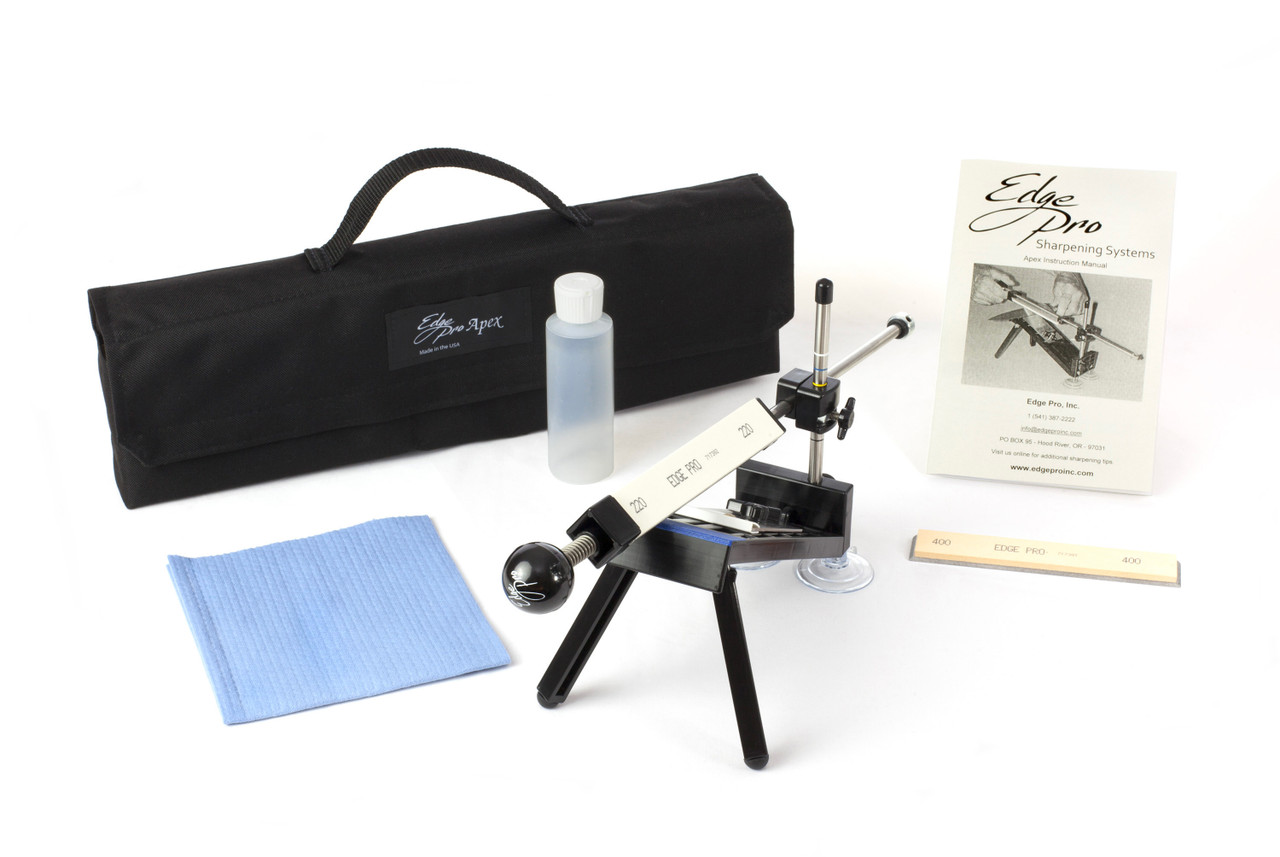
Even a knife sharpener small enough to live on a counter can manage quick touch-ups, provided it's paired with the correct rod. Reading up on knife-sharpening tips and tricks before attempting a serrated-edge will spare you from wrecking a perfectly good blade.
Serrated Knife Uses to Avoid
Not everything is a serrated job. Force someone into the wrong task, and you can expect a rough cut, sometimes even a ruined edge.
Fine Chopping
Skip serrations entirely for mincing herbs or fine dicing. The teeth create ragged cuts instead of the clean, straight line that was actually required.
Bones and Frozen Foods
Keep serrated blades away from bones, frozen food, and anything rock-hard. Teeth chip or bend against that kind of resistance, and fixing broken serrations costs more effort than resetting a straight edge ever would.
Conclusion
A serrated knife earns its spot for a single reason: tough-outside, soft-inside foods that straight blades fumble. Bread, tomatoes, citrus, and pastries and cleaner cuts across the board once the right teeth take over. Keep a straight edge for daily chopping and a serrated one for crusts and skins, and give both the care they need.
A well-chosen Edge Pro knife sharpener, paired with the right sharpening accessories, keeps blades performing the way they should for years to come.
FAQs About Serrated Knife Uses
Let’s answer some common questions around serrated knife uses.
What is a serrated knife best used for?
A serrated knife works best on foods with a tough exterior and soft interior, think crusty bread, ripe tomatoes, citrus fruit, and cakes wearing a firm outer shell.
Can you use a serrated knife for meat?
Yes, crusty roasts and seared exteriors respond well to serrations, though a straight-edge knife still delivers cleaner, more precise slices on tender, boneless cuts.
Is a serrated knife better than a chef's knife?
Neither one wins outright. Serrated blades dominate crusty or slippery foods, while a chef's knife takes chopping, mincing, and precision work, needing a clean line.
Can serrated knives be sharpened?
If the serrations are cut into one side of the knife like most bread knives the answer is YES. If the serrations are cut into both sides of the knife like serrated steak knives, the answer is NO.
We have developed our own method for sharpening a serrated knife. We sharpen the flat side, and make sure the stone is making a wide cut. This means you will be set at a very low angle and it will likely push your Edge Pro to its limits as far as how low it will go. Make sure the stone is cutting from the tips, all the way to the valley of the serration. Then turn the knife over and run a ceramic rod through each serration.
Should you use a serrated knife for tomatoes?
Yes, without question. The teeth bite through slick tomato skin instantly; instead of crushing the fruit the way a dull, straight blade tends to.
However, a properly sharpened non-serrated knife will also do the trick.